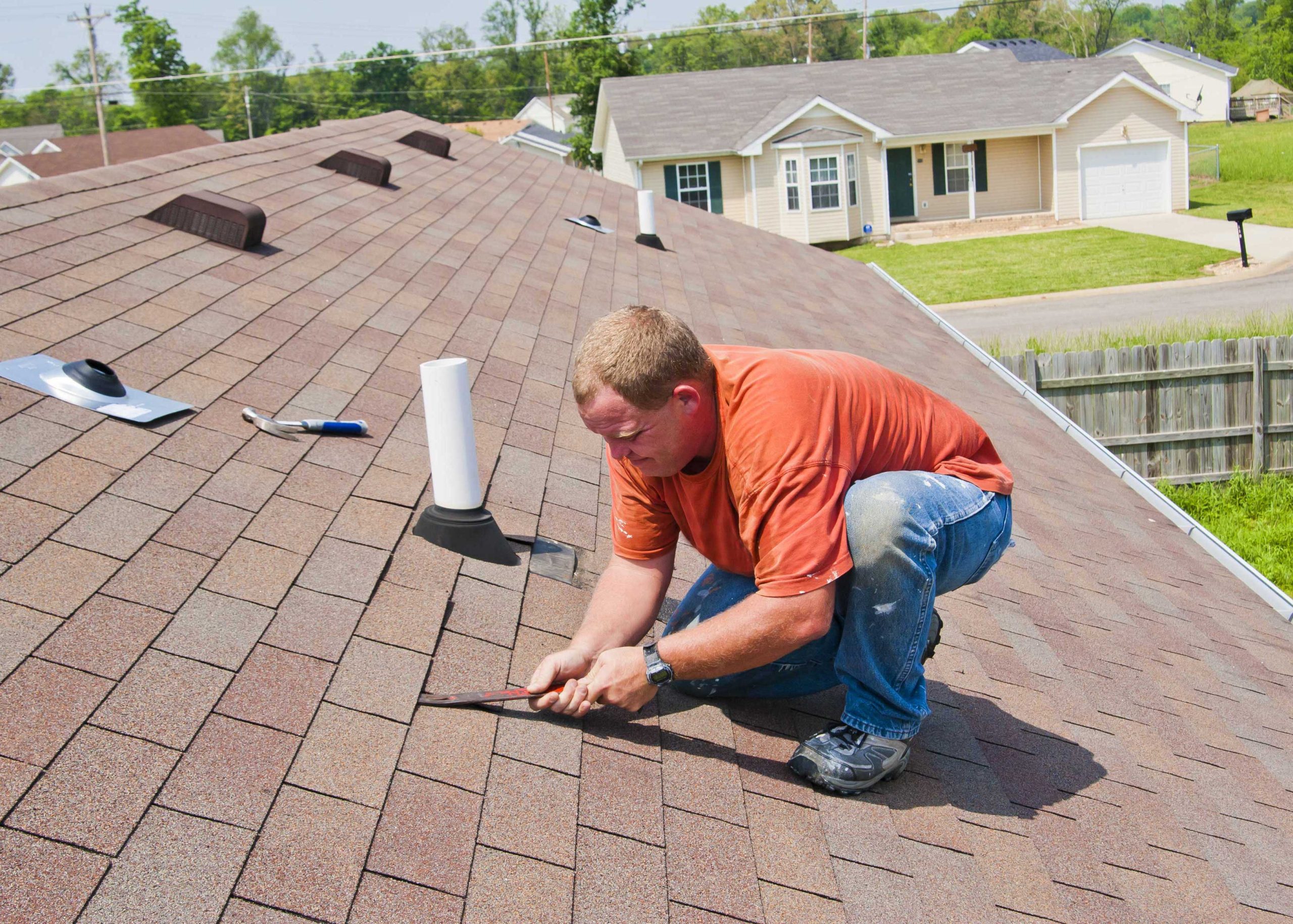
What are the Most Common Types of Emergency Roof Repair
Roofs play a crucial role in protecting homes and businesses from the elements, and like any other part of a building, they require regular maintenance to function properly. However, sometimes unexpected events such as extreme weather conditions or wear and tear can lead to emergency roof repairs. These repairs can be costly and disruptive, and it is essential to identify and address them quickly to prevent further damage to the roof and the structure it protects. This article will explore the most common types of emergency roof repairs and how to identify and fix them. From identifying roof leaks and water damage to dealing with structural damage from extreme weather, we will provide you with a comprehensive guide to emergency roof repairs. Additionally, we will discuss preventative maintenance strategies to help you avoid emergency repairs and ensure the long-term health of your roof. Whether you are a homeowner or a business owner, having a basic understanding of common roof repair issues can help you make informed decisions about maintaining and protecting your property.
Identifying roof leaks and water damage
Identifying roof leaks and water damage is crucial in addressing emergency roof repairs. Water damage can quickly lead to mold and mildew growth, posing a serious health risk to occupants. Additionally, water damage can weaken the roof's structural integrity, resulting in potential safety hazards. Thus, identifying the source of the leak and any water damage is essential in preventing further damage and ensuring the safety of occupants. One way to identify roof leaks and water damage is to inspect the interior of the building for signs of water stains or discoloration on walls and ceilings. Additionally, checking for any damp or musty odors can be an indication of water damage. On the exterior of the roof, signs of damage can include missing or damaged shingles, cracked or deteriorating roofing materials, and debris buildup in gutters or on the roof. Once the source of the leak and any water damage has been identified, the next step is to address the issue by fixing missing or damaged shingles, repairing any cracks or other damage, and ensuring proper drainage to prevent future water damage.Fixing missing or damaged shingles
Fixing missing or damaged shingles is a crucial aspect of roof repair that requires immediate attention. The shingles on a roof are its first line of defense against the elements, and any damage to them can lead to leaks, water damage, and even structural issues if left unchecked. Missing or damaged shingles can be caused by a variety of factors, including heavy wind, hail, or simple wear and tear over time. It is important to have a professional inspect your roof if you suspect any shingle damage, as they can help determine the extent of the issue and recommend the appropriate repairs. When it comes to fixing missing or damaged shingles, there are several options available. In some cases, a simple repair may be all that is needed, such as replacing a few missing shingles or patching up any small holes or cracks. However, if the damage is more extensive, a full roof replacement may be necessary. Regardless of the solution, it is important to address any shingle damage as soon as possible to prevent further issues.Dealing with structural damage from extreme weather
Addressing structural damage caused by extreme weather requires prompt attention to prevent further deterioration of the roof's integrity. Strong winds, heavy rainfall, and hailstorms can cause significant damage to a roof's structural components, such as rafters, sheathing, and trusses. These components provide the foundational support for the roof, and when they are damaged, the roof's stability and safety can be compromised. The first step in dealing with structural damage caused by extreme weather is to thoroughly inspect the roof to assess the extent of the damage. A professional roofing contractor should be consulted to ensure the inspection is comprehensive and accurate. Once the extent of the damage has been determined, the necessary repairs can be made to restore the roof's structural integrity. In the subsequent section, we will discuss repairing hail and wind damage, which is another common type of emergency roof repair that often accompanies structural damage caused by extreme weather.Repairing hail and wind damage
Restoring a roof's structural integrity after extreme weather damage often involves repairing the visible effects of hail and wind damage. Hailstones can dent and crack shingles, leading to leaks and water damage. Wind can also lift and tear off shingles, exposing the roof to further damage from rain and debris. To repair hail and wind damage, roofing contractors typically remove and replace the damaged shingles, ensuring that the new shingles are properly aligned and sealed to prevent future leaks. In addition to repairing visible damage, contractors may also need to inspect the roof's underlayment and decking for hidden damage. Hail can cause bruising and cracking in the underlayment, while wind can loosen and damage the decking. Addressing these issues promptly can help prevent further damage and extend the lifespan of the roof. Preventative maintenance for long-term roof health can also play a crucial role in minimizing the impact of extreme weather on the roof.Preventative maintenance for long-term roof health
Regular maintenance is essential for ensuring the longevity and durability of a roof, which includes routine inspections, cleaning, and repairs as needed. Neglecting maintenance can result in costly emergency repairs and premature roof replacement. The following preventative maintenance practices can help ensure the long-term health of a roof:- Regular inspections: Inspecting a roof twice a year can help identify small issues before they become larger, more expensive problems.
- Cleaning gutters and downspouts: Clogged gutters and downspouts can cause water to back up, leading to leaks and water damage. Cleaning them regularly can prevent these issues.
- Trimming trees: Overhanging branches can damage a roof during high winds or storms. Trimming them back can help prevent this damage.
- Repairing small issues promptly: Addressing small issues, such as missing shingles or damaged flashing, can prevent them from becoming larger, more expensive problems.
- Proper ventilation: Proper ventilation is essential for preventing moisture buildup, which can lead to mold growth and other issues.